
ELV Training Academy focuses on educating facility workers in the correct processing and recycling of end-of-life vehicles (ELVs), but what are ELVs, and why does it matter how they’re disposed of?
End-of-life vehicles (ELVs) are motor vehicles that have been categorised as waste. This is most commonly due to age or accident. They are vehicles that are destined to be scrapped or dismantled. Over one million cars are scrapped in the UK each year, these may end up in a scrapyard, in landfill, or get recycled (if they have been properly processed).
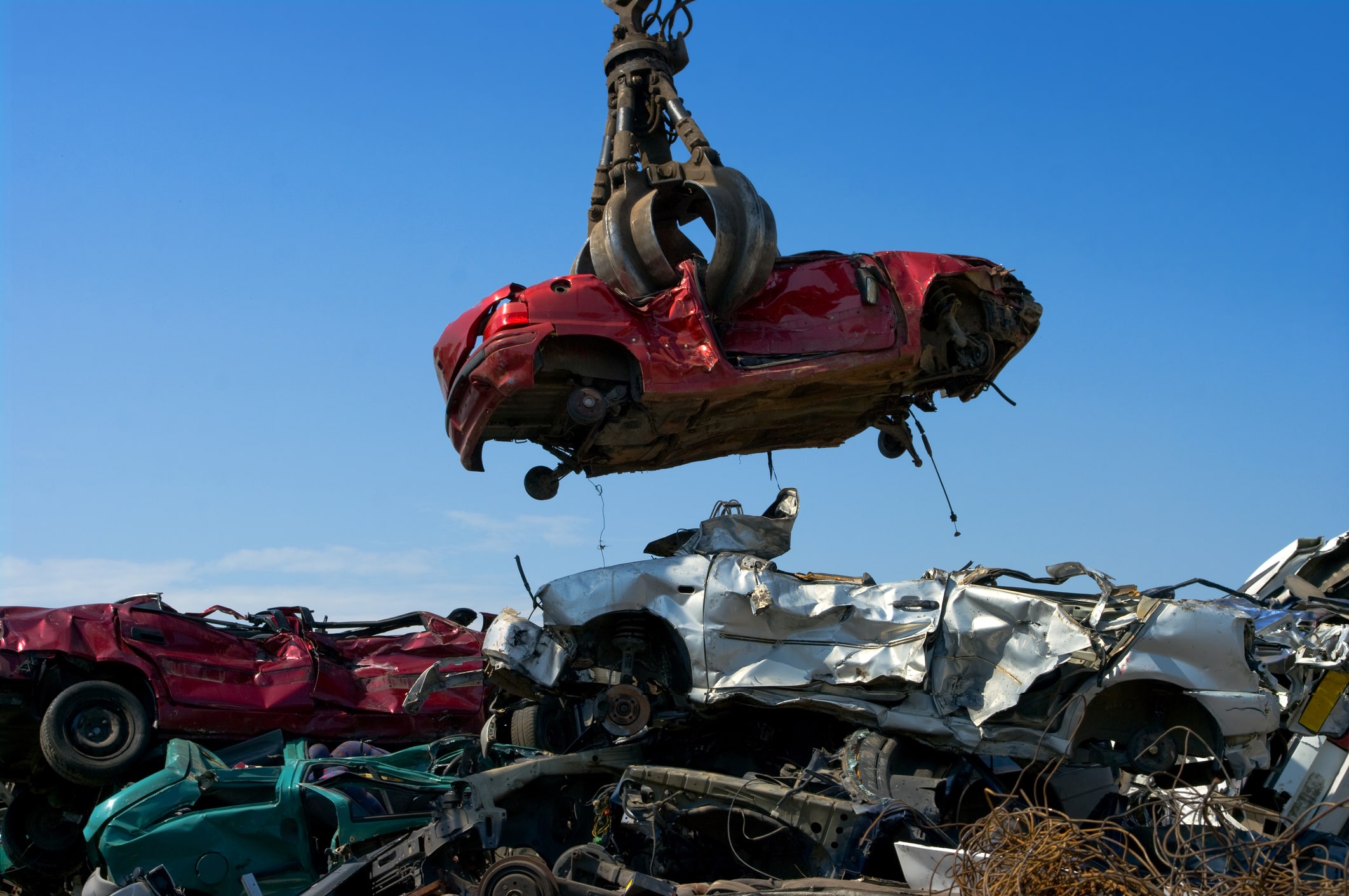
ELVs are deemed hazardous until the chemicals, substances, materials and components that pose a risk to human and environmental health have been removed. If vehicles aren’t properly processed, they can pollute the ground, contaminate water supplies, and poison wildlife.
Vehicles contain a range of pollutants such as fuel, oil, and coolant. Cars manufactured before 2003 can also contain mercury. Any hazardous material needs to be safely removed and stored before the vehicle can be as safely recycled.
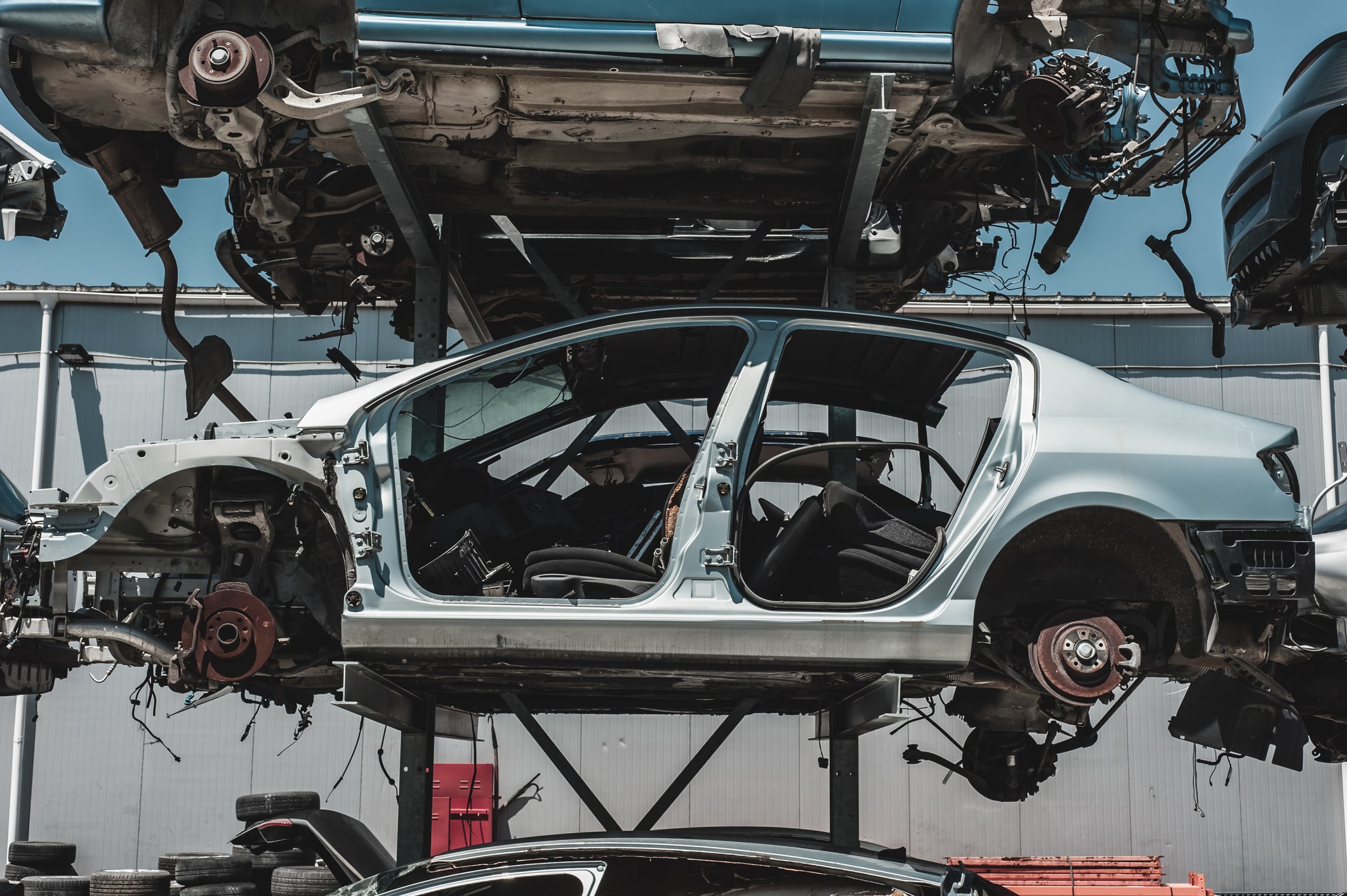
For ELVs to be considered non-hazardous, a range of pollutants, liquids and components need to be safely removed and stored or disposed of.
The process of safely depolluting an ELV contains several precise steps. Without proper training, there is a lot of room for error. Mistakes could result in a vehicle still being considered as hazardous waste, or the improper disposal of hazardous materials.
To protect facility workers, the environment and the general public, training is paramount to ensure the correct procedures are followed.
At ELV Training Academy, we offer tailored online courses and on-site training that educate industry workers about the proper disposal of ELVs. Our programmes teach legal regulations and sustainable techniques, resulting in valuable qualifications and new skills.
Copyright © 2026 | ELV Training